
Do you need a permit for a porta potty in Greensboro?
For most residential and private-lot jobs, no permit applies. A home renovation porta potty sitting in a driveway or backyard, or a unit set for a backyard event, is on private property and outside city review. The question changes once you move the unit off private land. If your project needs the toilet parked at curbside, in a lane, or on any part of the public right of way, that placement needs confirming with the City of Greensboro before the truck rolls. We are not going to guess at an ordinance number here; permit rules and fees are not something we invent, and neither should you. Call the city, tell them your exact placement, and get it in writing. This same logic applies whether you are renting one standard porta potty rental for a remodel or setting up a full construction site services package with fencing and a dumpster. We handle the placement conversation for porta potty rental in Greensboro jobs daily and we will tell you plainly if your spot looks like it needs a city call.
Do you need a permit for a dumpster in Greensboro?
Same rule as the toilet: a dumpster sitting entirely on your own driveway or lot typically does not trigger a permit, but a dumpster parked on the street does need checking with the city first. This is true everywhere, not just Greensboro. Jersey City dumpster permit rules and Delaware roll-off dumpster rental rules follow the same private-lot-versus-street logic, which tells you this is a near-universal pattern in municipal code, not a Greensboro quirk. A roll-off dumpster rental delivery needs about 60 feet of straight clearance behind the truck regardless of where it lands, so street placement often comes up simply because driveways are too short or too narrow for the truck to maneuver safely. Before you commit to a spot, look at dumpster permit requirements and check what belongs in the container by reading what cannot go in a dumpster. Sizing questions get answered on dumpster sizes and dimensions, and weight limits matter too, since overloading a 10 yard dumpster rental or a 20 yard dumpster rental can trigger extra fees explained on dumpster weight limits.
What are the porta potty placement rules?
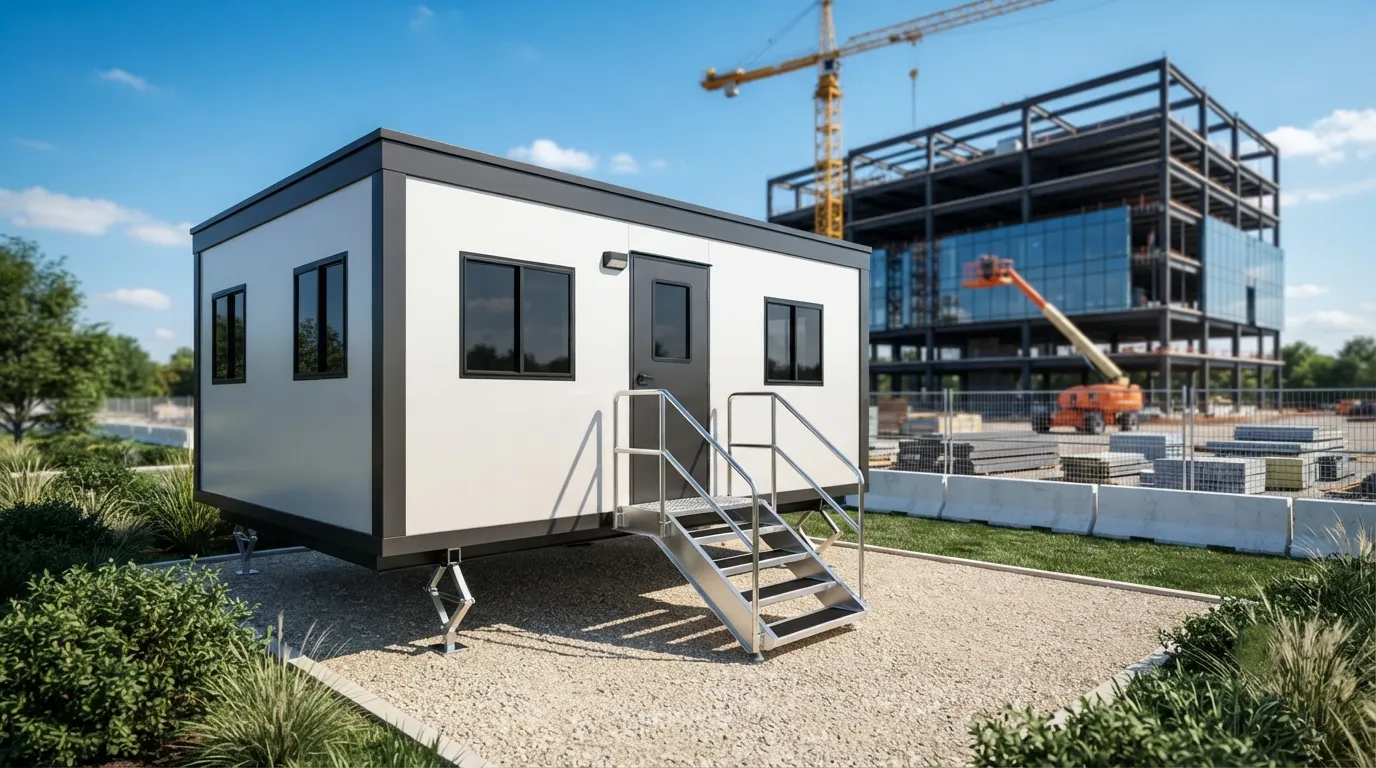
Placement rules are mostly physical, not bureaucratic, and they come from ADA and OSHA standards rather than city ordinance. If you need an accessible unit, ADA Standards section 213.2 requires that at least 5 percent of a clustered group, and never fewer than one unit, be accessible, which is why job sites with several toilets keep at least one ADA accessible porta potty in the lineup. Accessible placement also has to give a 60 inch turning circle per ADA Standards section 304.3.1 and a stable, slip-resistant surface per ADA Standards section 302.1, so gravel or soft mud near a unit can fail the standard even if the unit itself is compliant. A standard unit runs about 44 by 48 inches on the ground and stands about 92 inches tall, so clearance for the service truck matters as much as clearance for the user. For construction sites, OSHA 1926.51(c)(1) sets the baseline: one toilet for 20 workers or fewer, scaling up from there. Our full breakdown lives on the OSHA portable toilet requirements page, and for headcount planning see how many porta potties do I need.
Where should the unit go on my property?
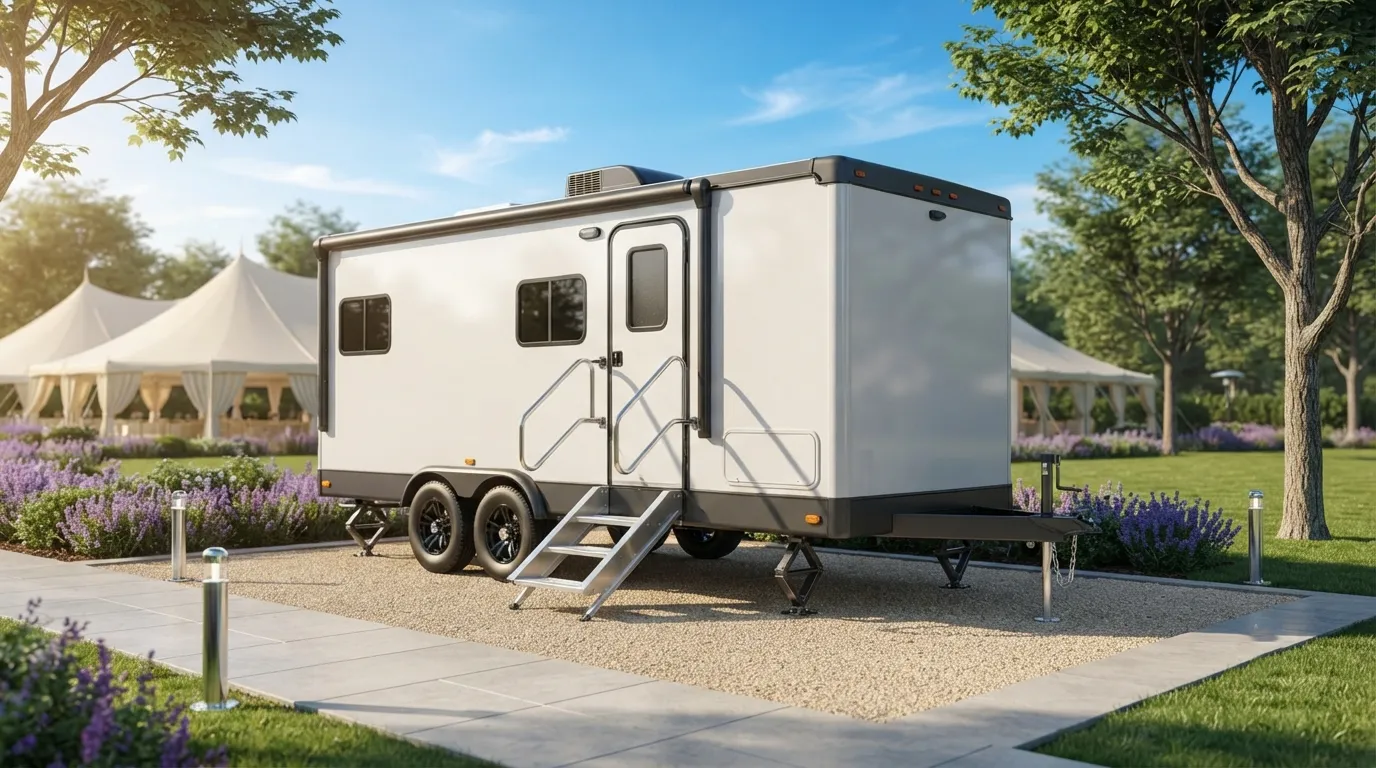
Pick flat, stable ground close enough for the service truck to reach without crossing landscaping or soft lawn, and keep the door swing clear. Farms and agricultural operations in the Greensboro area have their own standard: OSHA 1928.110 calls for one facility per 20 hand-labor employees, reachable within a quarter mile walk, which matters for anyone planning farm and agricultural restrooms. Sites doing paint, coating, or pesticide work also trigger OSHA 1926.51(f)(1), which requires washing facilities specifically for those contaminant tasks, not general use. For that we recommend pairing toilets with a handwashing station rental or a portable sink rental rather than relying on hand sanitizer alone, since 29 CFR 1910.141(d)(2) requires actual soap and towels or a hand-drying device. Full detail on the standard sits on our handwashing requirements page. For guidance on spacing, service access, and setback from structures, see the porta potty placement guide, and check the porta potty rental checklist before delivery day.
If your event or project sits outside Greensboro proper, placement review still applies. Jobs in Summerfield, 9.3 miles northwest, or Jamestown, 11.5 miles southwest, follow the same private-versus-public logic even though the reviewing department changes. We also serve High Point, 13.7 miles southwest, and Kernersville, 18.2 miles west, and can point you to the right local contact for each.
Do I need a permit for a portable toilet on a residential driveway?
No, typically not. A unit parked entirely on your own driveway or yard in Greensboro is private placement and does not usually trigger city review. The concern only shows up when a unit sits on a sidewalk, street, or other public right of way.
Can I place a porta potty on the street in front of my house?
Only after checking with the city first. Street placement counts as public right of way, and that needs confirming with Greensboro's relevant department before delivery, the same as it does for a jersey city dumpster permit or a Delaware porta potty rental sitting curbside.
What is the OSHA rule for job site toilets?
OSHA 1926.51(c)(1) requires one toilet for 20 or fewer workers on a construction site, with the ratio scaling up as headcount grows. See the full breakdown on our OSHA portable toilet requirements page for the complete table.
Does an accessible unit need special placement?
Yes. ADA Standards section 304.3.1 requires a 60 inch turning circle around an accessible unit, and section 302.1 requires firm, slip-resistant ground. Clustered toilet groups also need at least one accessible unit under section 213.2.
Do temporary power poles need a permit in Greensboro?
Placement and electrical connection for a temporary power pole typically involves separate review from the utility and possibly the city, and that needs confirming case by case. We can point you toward the right contact when you book.
Next step
Get a delivery date
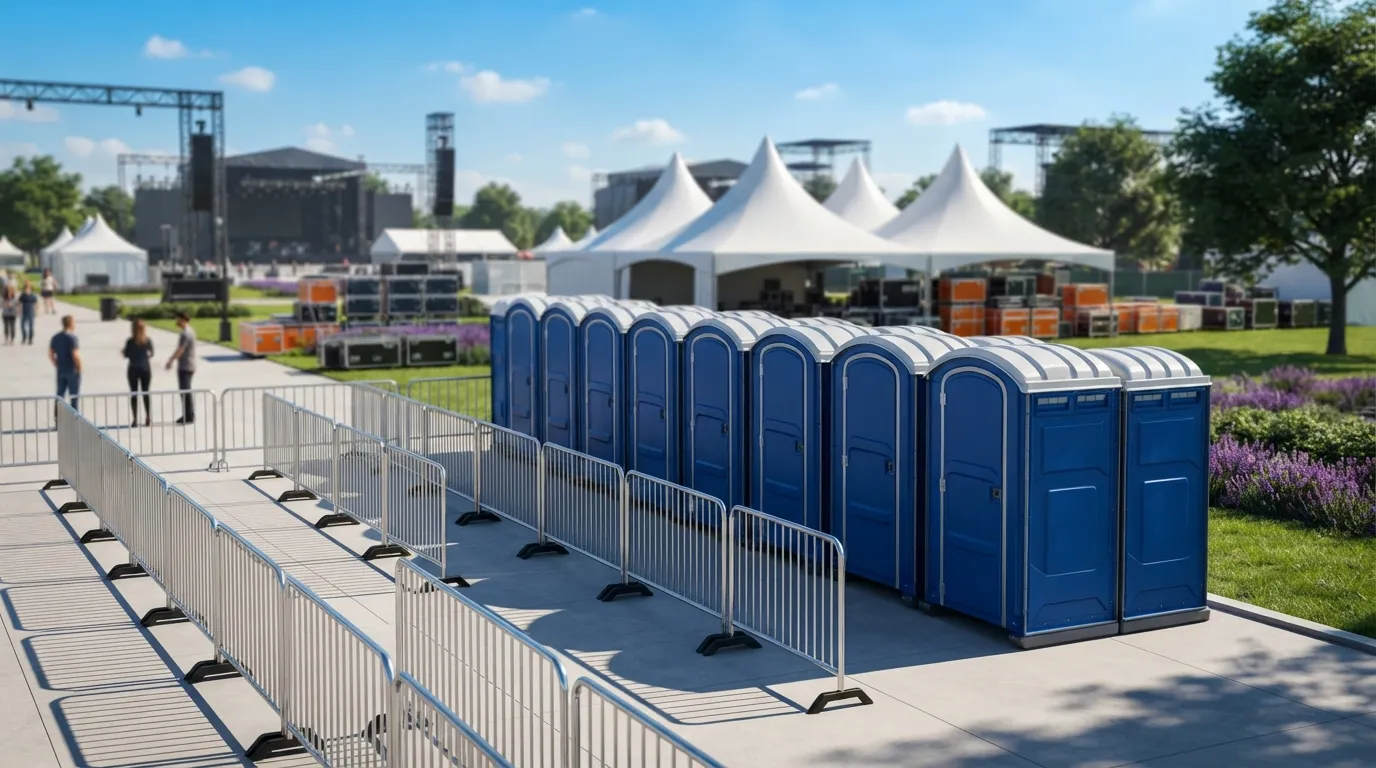
Tell us the address, the dates and the headcount. We size the order and confirm the route.