
What Happens to Sanitation During a Disaster Response?
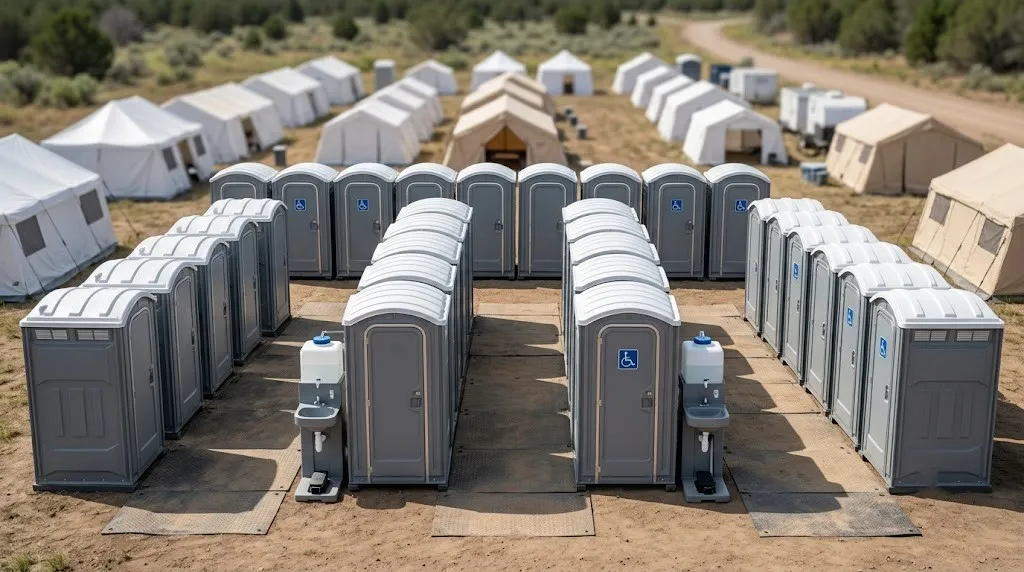
Floodwater and downed lines take out septic systems and municipal sewer at the same time, which is exactly when demand for portable toilet rental spikes hardest. Greensboro Porta Pros treats disaster response as a same-day priority, not a standard order queue. A standard porta potty rental runs a 60 to 70 gallon holding tank, big enough to cover a household or small crew for several days between services if road access is limited. For agencies coordinating shelter sites, OSHA 1926.51(c) sets the ratio construction crews use as a planning baseline: one toilet for every 20 workers, moving to one toilet and one urinal per 40 once you pass 20 people. Shelters and relief camps aren't construction sites, but the ratio gives responders a workable starting number when nothing else applies. Water matters as much as toilets. OSHA 1926.51(a)(1) requires an adequate supply of potable water at any place of employment, and that same logic drives why handwashing station rental and portable sink rental orders often ride the same truck as the toilets. A holding tank rental can also take on wastewater at a shelter or command post where the sewer line itself is compromised. Some sites need both: toilets for the people, a tank for graywater from a mobile kitchen or wash station.
How Fast Can You Get Units to a Disaster Site in Greensboro?
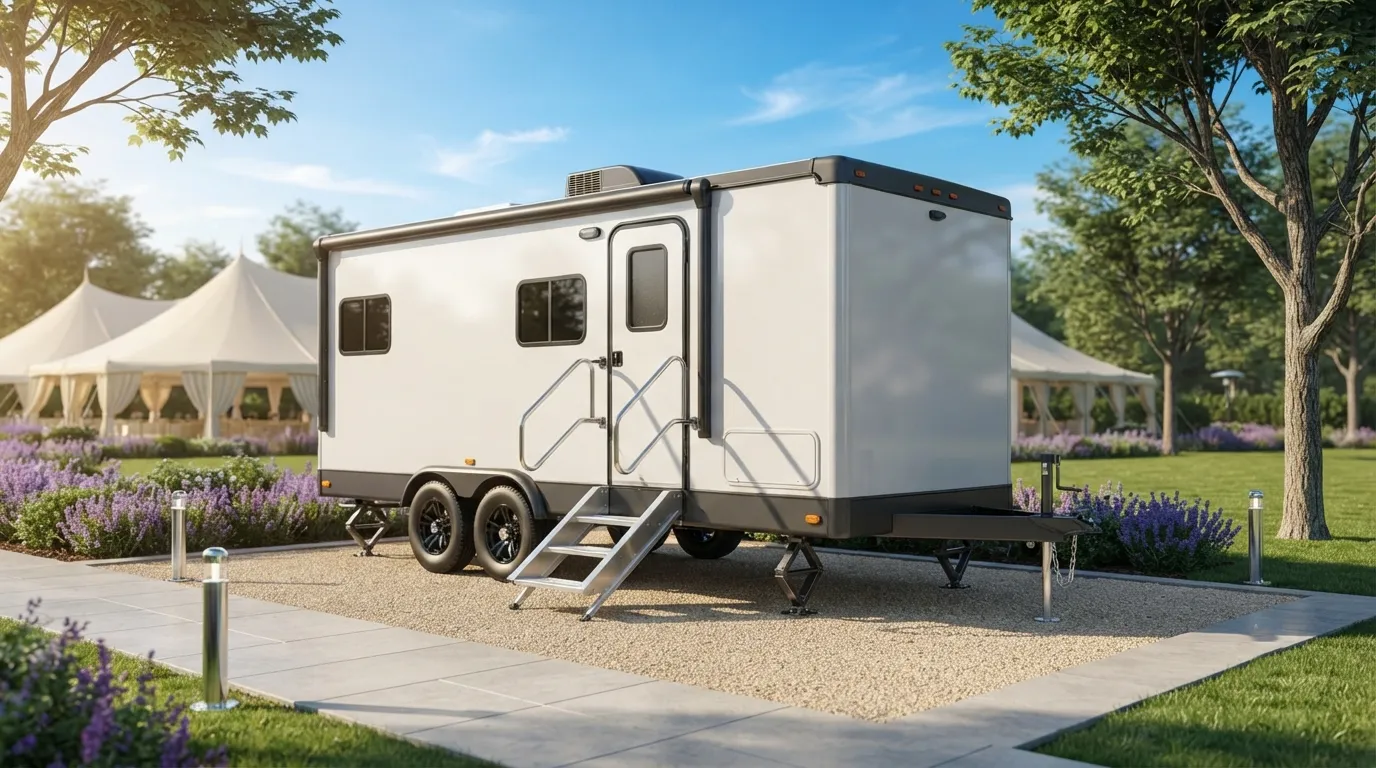
Speed depends on road conditions more than anything else after a storm. Greensboro Porta Pros keeps stock staged for emergency porta potty rental calls, and most Greensboro deliveries move same day when streets are passable. If you're coordinating relief across the county, distance still matters for routing: Summerfield sits 9.3 miles northwest, McLeansville 11.1 miles east, and High Point 13.7 miles southwest, so a shelter hub near any of those towns is well within a normal delivery run once roads clear. A roll-off delivery, useful once debris cleanup starts alongside sanitation, needs about 60 feet of straight clearance behind the truck, which matters when a driveway is blocked by a downed tree or a collapsed carport. If your site is tight or the access route is uncertain, say so on the call. We'd rather reroute a truck than have it stuck. For multi-day relief operations, a porta john rental placed near a distribution point beats sending people searching for a working bathroom blocks away. Larger shelter operations sometimes need a restroom trailer rental instead of standalone units, especially if there's no power for lighting and the trailer can run self-contained for a stretch. Ask what the site has for water and power before you order, since that changes which unit makes sense.
What Should a Relief Coordinator Know Before Ordering?
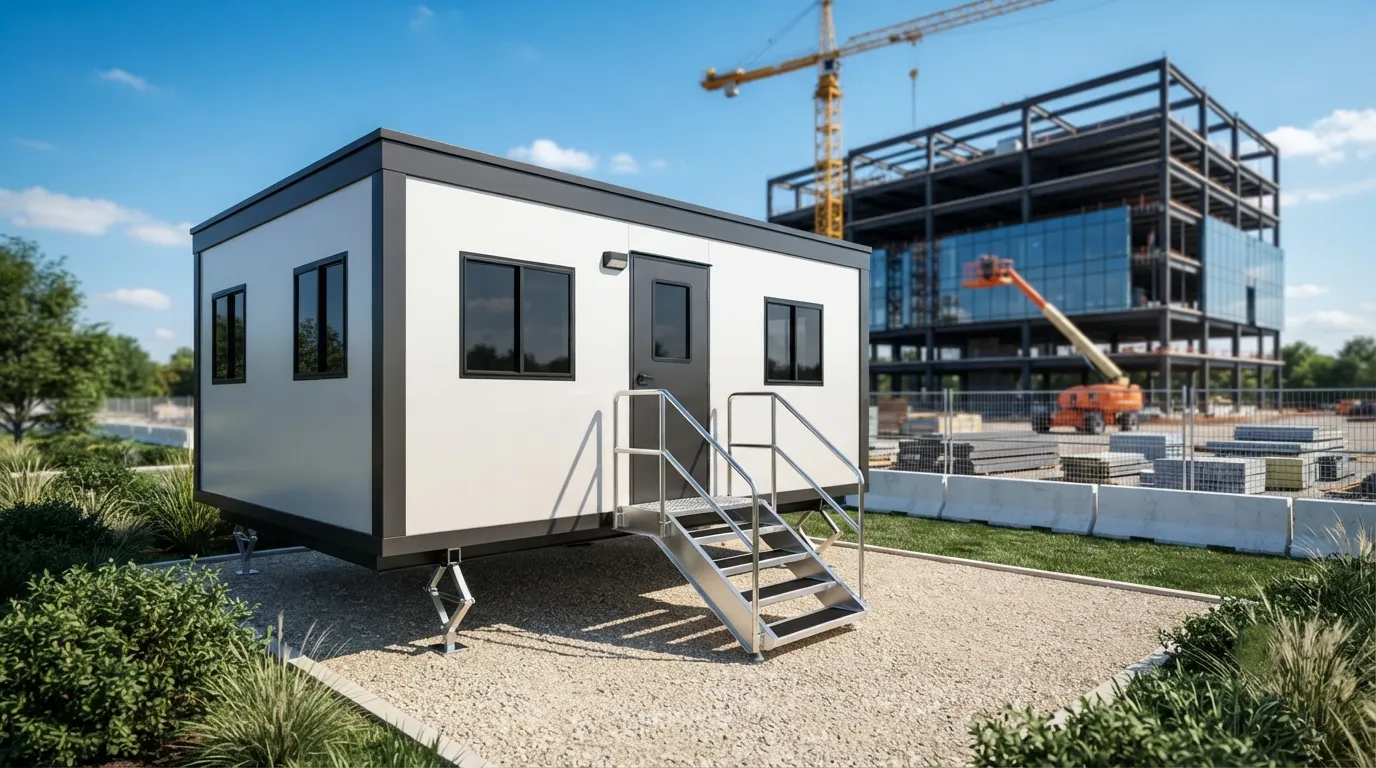
Get a headcount and a timeline before you call, because both drive unit count and service frequency. ANSI/PSAI Z4.3 sets a baseline service interval of once a week for up to 10 users over a standard 40 hour week, but disaster deployments with high foot traffic need to service more often than that baseline, sometimes daily. Confirm ground surface too: ADA Standards section 302.1 calls for stable, firm, slip-resistant footing, which matters on a flooded lot where the ground may still be soft weeks later. If anyone at the site needs ADA accessible porta potty units, ADA Standards section 213.2 requires at least 5 percent of a cluster to be accessible, never fewer than one unit, and the unit itself needs a 60 inch turning circle per ADA Standards section 304.3.1. Handwashing setups should include soap and towels or a hand-drying device under 29 CFR 1910.141(d)2, not hand sanitizer alone, which matters at a shelter feeding people daily. If crews are handling herbicide or insecticide treatment as part of debris or vector control, OSHA 1926.51(f)(1) requires washing facilities for that specific work. Coordinators managing a longer deployment should also look at temporary fence rental to secure a staging area, and a storage container rental to keep supplies dry and locked between distributions. For placement questions once units arrive, the porta potty placement guide covers spacing and access basics.
Pricing for Emergency and Extended Deployments
| unit | duration | typical price |
|---|---|---|
| standard | day | $150 |
| standard | week | $200 |
| ada | day | $230 |
| septic | day | $250 |
| delivery_fee | day | $150 |
Extended relief operations that run past the first week often shift to a monthly porta potty rental rate instead of daily billing. For a full cost breakdown by scenario, see porta potty rental cost or porta potty rental per day.
How many toilets does a shelter need?
Start with OSHA 1926.51(c): one toilet per 20 people, then one toilet and one urinal per 40 once you're above that. Shelters aren't construction sites, but it's a workable planning number. Use the how many porta potties do i need guide to refine it against your actual headcount.
Can you deliver during an active storm response in Greensboro?
Usually, yes, once roads are passable for a delivery truck. Greensboro Porta Pros prioritizes emergency requests over standard orders. Call ahead with your address and access conditions so dispatch can route around blocked streets or downed lines before the truck leaves the yard.
Do you provide handwashing stations separately from toilets?
Yes. Hand sanitizer station rental and full sink units both ship independently of toilet orders. 29 CFR 1910.141(d)(2) requires soap and towels or a drying device at any washing station, which matters for feeding operations and medical triage points at a shelter.
What if the site has no clear road access?
Tell dispatch before the truck rolls. A roll-off needs roughly 60 feet of clearance behind it, and standard units need firm, stable ground under ADA Standards 302.1. We'll work out placement over the phone or reroute equipment if the primary access point is blocked.
Is septic pumping available for damaged systems?
Yes, through septic pumping service. A damaged residential tank that would normally go 3 to 5 years between pumpings may need emergency service after flooding pushes it past capacity. Call and describe the situation so we can prioritize the truck route.
Next step
Get a delivery date
Tell us the address, the dates and the headcount. We size the order and confirm the route.